Balance – Reducing Alcohol Harm (Susan Taylor)
At the November Revival meeting, Sarah introduced Balance, an organisation that works across the North East of England to reduce the harm caused by alcohol. Balance works with councils, health services and community groups to help people understand the risks of drinking and to push for rules that better protect communities.
Alcohol harm is a big issue in the North East. Many people drink more than is safe, often without realising the risks. This leads to serious health problems, more hospital visits, more crime, and extra pressure on families and communities. Liver disease has risen by 400% since the 1970s, and alcohol is now about 90% cheaper in real terms than it was 40 years ago. Alcohol is also everywhere in everyday life, which makes it feel normal and harmless – for example in cards and gifts aimed at women for birthdays or Mother’s Day.
Balance explained that alcohol companies make their money when people drink a lot, so things like price, advertising and how easy alcohol is to buy really matter. At the moment, alcohol does not have clear calorie or health information on labels. There is also concern that new licensing changes, described as helping “economic growth”, could actually make alcohol harm worse. The Department of Health was not included in recent talks about licensing reform, which is worrying given the impact on health.
There are good examples of what works. In Scotland, minimum unit pricing has helped reduce alcohol harm and drink-driving. The strong action taken on tobacco also shows that clear rules and public health leadership can make a real difference.
Revival is now working with Balance to challenge the proposed changes to alcohol licensing laws. We believe these changes could make it harder to tackle alcohol harm and health inequalities in the North East, and we want to make sure people’s voices are heard.
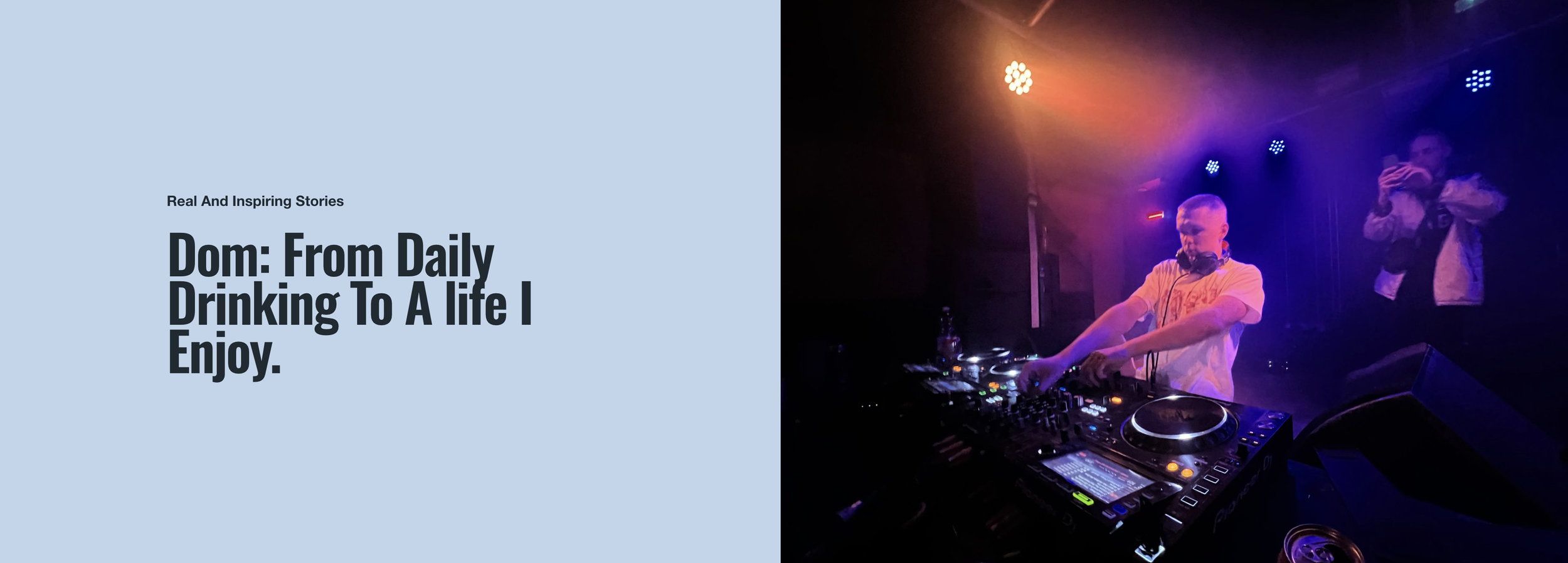
Some Revival members have now shared their personal stories of alcohol harm through the Balance website, helping to show the real human impact behind the statistics.